







Kudos has partnered with CardRatings and Red Ventures for our coverage of credit card products. Kudos, CardRatings, and Red Ventures may receive a commission from card issuers. Kudos may receive commission from card issuers. Some of the card offers that appear on Kudos are from advertisers and may impact how and where card products appear on the site. Kudos tries to include as many card companies and offers as we are aware of, including offers from issuers that don't pay us, but we may not cover all card companies or all available card offers. You don't have to use our links, but we're grateful when you do!

When Not to Use Your Rewards Card — 5 Scenarios Where Cash or Debit is Better
September 27, 2026
.webp)


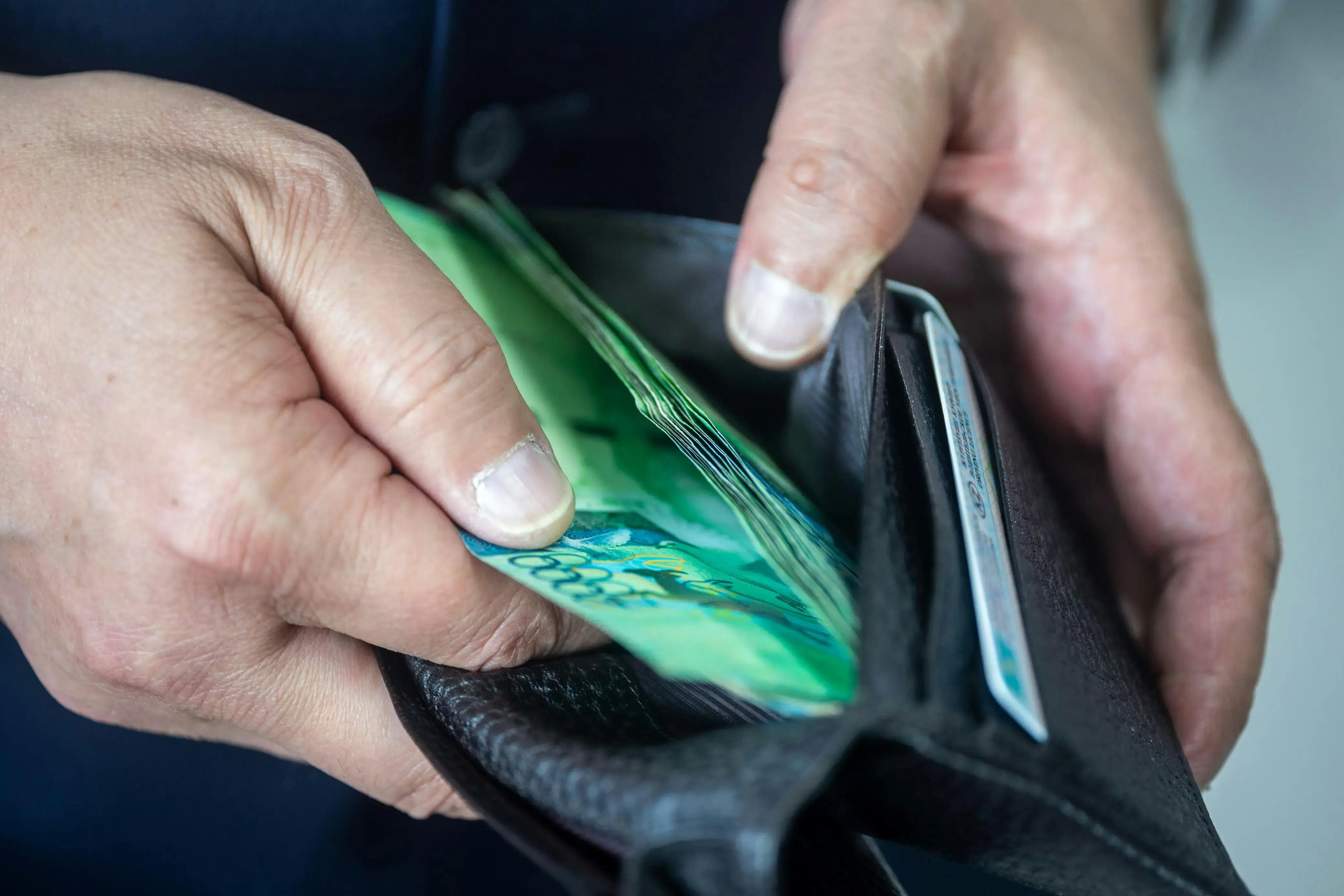
Rewards credit cards are powerful financial tools, but knowing when NOT to swipe them is just as important as knowing when to use them. While these cards can earn you hundreds—even thousands—in rewards annually, there are specific situations where reaching for cash or your debit card will save you money and headaches.
The Hidden Costs of Using Rewards Cards Everywhere
Most credit card guides tell you to maximize your rewards by using your card for everything. But here's what they don't mention: using your rewards card in the wrong situations can cost you more than you earn back.
Consider this: If you're earning 2% cash back but paying a 3% convenience fee, you're losing 1% on every transaction. On $10,000 in annual spending, that's a $100 loss—completely wiping out the rewards you thought you were earning.

5 Scenarios Where Cash or Debit Beats Your Rewards Card
1. Small Purchases Under $5 at Local Businesses
The Problem: Many small businesses, particularly coffee shops, food trucks, and local vendors, implement minimum purchase requirements for credit cards (typically $5-$10) or add surcharges for small credit card transactions.
Why It Matters: That $3 coffee could come with a $0.50 convenience fee—a 16.7% surcharge that obliterates any rewards you'd earn. Even if you're using a card that earns 5% cash back on dining, you're losing 11.7% on the transaction.
The Better Choice: Use cash for purchases under $5 at independent businesses. You'll avoid surcharges, speed up the transaction, and maintain good relationships with local merchants who face higher processing fees on small credit card purchases.
Should you use your rewards card? Only if there's no minimum purchase requirement or surcharge, and you're earning 3%+ back in that category.
2. Businesses That Charge Credit Card Processing Fees
The Problem: Certain merchants—especially government offices, utility companies, educational institutions, and some landlords—pass credit card processing fees directly to customers. These fees typically range from 2.5% to 3.5%.
Real-World Example: Paying a $1,500 rent payment with your rewards card might incur a 3% fee ($45). Unless your card earns more than 3% on that category, you're losing money.
The Math:
- Rent payment: $1,500
- Credit card fee (3%): $45
- Rewards earned (2% cash back): $30
- Net loss: -$15 per month = -$180 annually
The Better Choice: Use your checking account's ACH transfer, e-check, or pay with cash/debit to avoid the processing fee entirely.
Who should consider using their rewards card? Only cardholders with cards that earn 4%+ in the category AND are working toward a valuable welcome offer that requires meeting a minimum spend threshold. Even then, calculate whether the fee cost exceeds the rewards value.
3. Foreign Transactions Without a No-Foreign-Fee Card
The Problem: Most rewards cards charge foreign transaction fees of 2.5-3% on every purchase made abroad or with international merchants online.
Real-World Impact: On a $3,000 international trip, you'll pay $75-$90 in foreign transaction fees with a standard rewards card—even while earning rewards.
The Math:
- International spending: $3,000
- Foreign transaction fee (3%): $90
- Rewards earned (1.5% cash back): $45
- Net loss: -$45 on your trip
The Better Choice:
Options include:
- Use a travel rewards card with no foreign transaction fees
- Withdraw local currency from ATMs that don't charge fees
- Use debit cards from banks that reimburse foreign ATM fees
Should you apply for a better travel card? Yes, if you travel internationally even once per year.
4. When You're Near Your Credit Limit
The Problem: Using your rewards card when you're close to your credit limit can damage your credit score, even if you pay your balance in full each month. Credit utilization—the percentage of available credit you're using—accounts for 30% of your FICO score.
Real-World Example: If you have a $5,000 credit limit and regularly carry a $4,500 balance (even temporarily), your 90% utilization ratio can drop your credit score by 50-100 points.
The Credit Score Impact:
- Utilization under 10%: Excellent for your score
- Utilization 10-30%: Good for your score
- Utilization 30-50%: Fair, begins hurting your score
- Utilization above 50%: Poor, significantly damages your score
- Utilization above 90%: Very damaging, can drop your score 100+ points
The Better Choice: Use debit or cash until you can pay down your balance. Protect your credit score—it affects your ability to get approved for future cards, loans, and even rental applications.
Alternative Strategy: If you have multiple cards, distribute spending across them to keep individual card utilization under 30% and overall utilization under 10%.
5. Tipping at Restaurants, Salons, and Service Industries
The Controversial One: While you CAN use your rewards card for the bill, some situations call for cash tips.
Why This Matters: Servers, bartenders, hairstylists, and other service workers often receive cash tips faster than credit card tips. At many establishments, credit card tips are processed with regular payroll (sometimes weekly or bi-weekly), while cash tips go home the same day.
The Human Factor: Service workers pay taxes on all tips (cash and credit), but cash tips provide immediate liquidity. During tough economic times, this matters.
The Better Balance:
- Use your rewards card for the base transaction (to earn points on the meal/service)
- Tip in cash when possible, especially for exceptional service
- If tipping via card, consider rounding up to make the math easier for splitting among staff
Should you use your rewards card for the entire transaction? Yes, if you're earning 3x-5x on dining with a card. Just ensure you can afford to tip appropriately.

When You SHOULD Always Use Your Rewards Card
Understanding when NOT to use your card is only half the equation. These situations always warrant swiping your rewards card:
High-Reward Category Spending
If you're earning 3%+ in a specific category, use that card:
- Gas stations with cards earning 4-5% on fuel
- Grocery stores with cards earning 3-6% on groceries
- Dining with cards earning 3-5% at restaurants
- Travel bookings with cards earning 5x-10x points
Large Purchases That Qualify for Purchase Protection
Rewards cards offer benefits debit cards don't:
- Extended warranties (adds 1-2 years to manufacturer warranties)
- Purchase protection (covers theft/damage for 90-120 days)
- Return protection (refunds items merchants won't take back)
- Cell phone protection (some cards cover up to $600 in damage)
Recurring Subscriptions and Bills
Autopay subscriptions on your rewards card to:
- Never miss a payment (protects your credit score)
- Earn rewards on expenses you're paying anyway
- Easily track and budget all subscriptions in one place
- Build consistent payment history
How to Maximize Your Rewards Strategy
The 5-Transaction Rule for Smart Card Usage
1. Calculate the Break-Even Point
Before using your rewards card, ask: "Is the reward rate higher than any fees?"
Example Break-Even Calculation:
- You're earning 2% cash back
- The merchant charges a 2.5% convenience fee
- Result: Don't use your card—you'll lose 0.5%
2. Match Cards to Spending Categories
Use the right card for each purchase:
- Groceries → Card earning highest percentage at supermarkets
- Gas → Card earning highest percentage at fuel stations
- Dining → Card earning highest percentage at restaurants
- Everything else → Flat-rate cash back card or card with rotating categories
3. Track Your Category Caps
Many cards have quarterly or annual spending caps on bonus categories:
- 6% cash back at U.S. supermarkets (up to $6,000 annually, then 1%)
- 5% on rotating categories (up to $1,500 each quarter, then 1%)
4. Time Large Purchases Strategically
If you're working toward a welcome offer that requires spending $4,000 in 3 months to earn 60,000 points, plan large purchases during that window.
5. Pay Your Balance in Full Every Month
Interest charges (typically 18-28% APR) obliterate any rewards earned. A $1,000 balance carrying a 24% APR costs $240 in annual interest—wiping out an entire year of 2% rewards on $12,000 in spending.
Real-World ROI: The Cost of Wrong Payment Choices
Let's calculate the annual impact of smart payment method decisions:
Scenario: Average American's Annual Spending
- Rent/Mortgage (12 months × $1,500): $18,000
- Groceries: $6,000
- Gas: $2,400
- Dining: $3,600
- Other spending: $10,000
- Total: $40,000
Bad Strategy: Use rewards card everywhere, ignore fees
- Rent with 3% fee: -$540
- Small purchases with surcharges: -$150
- Foreign transaction fees: -$90
- Rewards earned (1.5% average): +$600
- Interest charges from carrying balances: -$300
- Net result: -$480 annually
Smart Strategy: Use rewards cards strategically
- Rent via ACH: $0 fees saved
- Cash for small purchases: $150 saved
- No-foreign-fee card for travel: $90 saved
- Optimized category spending (3% average): +$1,200
- Zero interest (pay in full): $300 saved
- Net result: +$1,740 annually
Difference: $2,220 per year by making smart payment method decisions.
Common Mistakes to Avoid
Mistake #1: Assuming All Rewards Are Equal
Not all rewards programs offer the same value:
- 1% cash back = $1 per 100 points = $0.01 per point
- Travel points vary wildly
Mistake #2: Ignoring Your Credit Utilization
Using 90% of your credit limit—even if you pay it off in full—can drop your credit score by 100 points before you make your payment. Keep utilization under 30% per card and under 10% overall.
Mistake #3: Not Reading Card Benefits
You might already have purchase protection, extended warranties, and trip cancellation insurance through your card—benefits worth hundreds of dollars that go unused because cardholders don't know they exist.
Mistake #4: Chasing Rewards Into Debt
Rewards cards only make sense if you pay your balance in full. Interest charges of 18-28% APR destroy any rewards earned.
Mistake #5: Not Having a Rewards Strategy
Successful rewards cardholders have a plan:
- They know which cards earn the highest rate in each category
- They track spending caps to maximize bonus earnings
- They strategically time large purchases to meet welcome offer requirements
- They understand the true value of their points (and when to redeem them)

How Kudos Helps You Make the Right Choice
This is where Kudos transforms how you earn rewards. Instead of memorizing which card earns the most in each category, Kudos automatically:
1. Recommends the Best Card for Each Purchase
Kudos analyzes all your cards in real-time and recommends which one will earn the highest rewards for your specific transaction. No more guessing, no more leaving money on the table.
2. Tracks Your Spending Toward Caps
Kudos monitors your progress toward category spending caps, alerting you when you're approaching limits so you can switch to your next-best card.
3. Identifies Hidden Perks You're Not Using
From purchase protection to extended warranties, Kudos highlights card benefits you already have but might not know about—benefits that can save you hundreds.
4. Helps You Meet Welcome Offer Requirements
Working toward spending $4,000 in 3 months for that 60,000-point bonus? Kudos tracks your progress and suggests strategic spending to help you hit the threshold without overspending.
Frequently Asked Questions
Can I build credit without using a rewards credit card?
Yes, but rewards cards offer the same credit-building benefits as any other card, plus you earn rewards. The key is making on-time payments and keeping your balance low. Even if you only use your card for one small purchase per month and pay it off immediately, you're building positive payment history.
Are cash or debit cards safer than credit cards?
No—credit cards actually offer stronger fraud protection. With credit cards, you're not liable for fraudulent charges. With debit cards, thieves access your actual bank account, and while you can dispute charges, your money is tied up during the investigation. Use credit cards for online shopping and travel for maximum protection.
Should I use my rewards card if I can't pay the full balance immediately?
Only if you can pay it off within the statement period. Interest charges (18-28% APR) will always exceed rewards earned. If you can't pay in full, use debit or wait until you have the funds.
How do I know if a business charges credit card fees?
Ask before paying. Many merchants display signs at checkout. Government offices (DMV, courts) and utilities commonly charge fees—check their payment portals for fee schedules before choosing your payment method.
What's the best rewards card for someone just starting?
Start with a flat-rate cash back card with no annual fee. You'll earn 2% cash back on everything, with no categories to track. Once you understand how rewards cards work, you can add category-specific cards to maximize earnings.
Do rewards cards work for business expenses?
Yes, and business credit cards often offer higher rewards rates in business spending categories (office supplies, internet/phone services, gas). Just keep personal and business expenses completely separate for accounting and tax purposes.
Bottom Line
The most successful rewards card users aren't the ones who swipe their cards everywhere—they're the strategic spenders who know when to use rewards cards and when to reach for cash or debit.
By avoiding credit card fees, using cash for small purchases, deploying no-foreign-fee cards for travel, managing credit utilization, and matching cards to spending categories, you can earn $1,200-$2,000+ in rewards annually while avoiding costly fees.
The key isn't using your rewards card more—it's using it smarter. Start by identifying situations where fees exceed rewards, calculate your break-even point on every transaction, and leverage tools like Kudos to automatically recommend your best card for each purchase.
Your wallet contains powerful earning potential. Make sure you're wielding that power strategically.
Unlock your extra benefits when you become a Kudos member



Turn your online shopping into even more rewards


Join over 500,000 members simplifying their finances



Editorial Disclosure: Opinions expressed here are those of Kudos alone, not those of any bank, credit card issuer, hotel, airline, or other entity. This content has not been reviewed, approved or otherwise endorsed by any of the entities included within the post.



.webp)





.webp)