








Kudos has partnered with CardRatings and Red Ventures for our coverage of credit card products. Kudos, CardRatings, and Red Ventures may receive a commission from card issuers. Kudos may receive commission from card issuers. Some of the card offers that appear on Kudos are from advertisers and may impact how and where card products appear on the site. Kudos tries to include as many card companies and offers as we are aware of, including offers from issuers that don't pay us, but we may not cover all card companies or all available card offers. You don't have to use our links, but we're grateful when you do!

Maximizing Credit Card Rewards with AI in 2026
September 27, 2026
.webp)


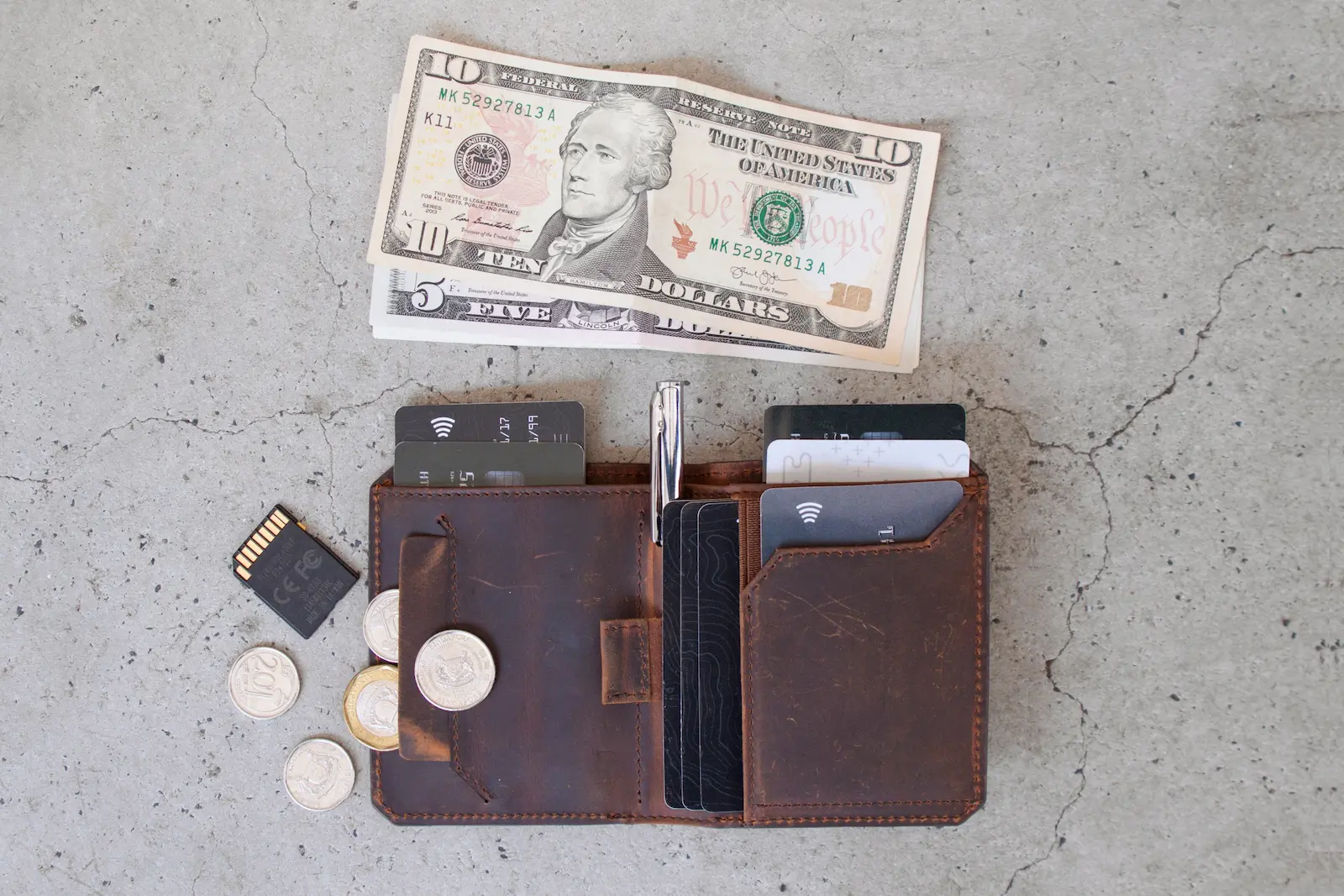
Credit card rewards are basically free money – but only if you know how to take full advantage of them. The reality? Most of us are leaving hundreds of dollars in points, miles, and cash back on the table. In fact, the average cardholder leaves around $300 worth of credits and benefits unused every year. Why does this happen? Because juggling multiple cards, bonus categories, and ever-changing offers can get complicated.
Fortunately, 2025 is making it easier, thanks to a secret weapon now in your hands: artificial intelligence (AI). AI is transforming how we manage credit cards – from picking the perfect card for each purchase to never forgetting to use a perk. Here’s how you can leverage AI to turbocharge your credit card rewards this year.
Why AI is a Game-Changer for Credit Card Rewards
Let’s face it: keeping track of which card to use for what purchase (to squeeze out that extra 5% back on groceries or double points on travel) can feel like a part-time job. AI is changing that by doing the heavy lifting for you. Credit card issuers themselves are embracing AI to get smarter with rewards and offers.
According to industry experts, card companies now use AI to analyze your spending and tailor promotions – a trend expected to grow in 2025. For example, instead of generic discounts, you might receive personalized deals or bonus categories based on your habits, all chosen by an algorithm. This means more relevant rewards for you with less effort.
But AI isn’t just for the banks. Regular people like us can tap into AI-powered tools to maximize earnings. AI can crunch enormous amounts of data (your purchase history, reward program details, merchant offers, etc.) in seconds, then give you actionable advice: “Hey, use Card X for this dinner to get 3X points” or “Your Card Y free hotel night is expiring, use it now!”. It’s like having a personal rewards concierge in your pocket.

AI-Powered Tools to Maximize Your Rewards
You might be thinking, “This sounds great, but how do I actually use AI for my cards?” The answer: rewards optimization apps and smart wallets. There are several fintech tools that use AI and machine learning to help you earn more rewards without the headache. For instance, some apps will automatically activate your quarterly bonus categories and tell you which card to use in real time for each purchase. No more forgetting to enroll in that rotating 5% category or wondering which card gives the most cash back at a particular store – the AI assistant handles it.
One standout example is Kudos, a free AI-powered smart wallet. Kudos automatically calculates the best card for each purchase across a huge database of cards and merchants. Say you’re checking out online; Kudos can pop up and recommend the card in your wallet that will earn the highest rewards or unlock a special perk for that retailer. It even considers those hidden benefits like purchase protection or extended warranties that many of us forget about.
Essentially, it ensures you never miss out on points or statement credits you deserve. As Samsung’s fintech team noted, without such automation a majority of cardholders unknowingly forfeit substantial rewards annually – so having an AI helper is a major win for your wallet.
Other tools focus on tracking your rewards across programs. Ever lost some airline miles because they expired? AI can prevent that.

Smart Strategies Backed by AI Insights
Beyond tools, AI can inform strategies that make earning rewards more efficient. Here are some smart, AI-enhanced strategies to maximize rewards in 2025:
Optimize Each Purchase:
Always use the card that gives the highest return for that specific transaction. This sounds obvious, but AI actually makes it happen. Your AI wallet will remember that Card A gives 4% on dining and Card B gives 2x miles on travel, and will nudge you accordingly. No more mental math or spreadsheets – just follow the AI recommendation and reap the rewards.
Stack Rewards and Offers:
AI can help you stack multiple benefits. For example, it might detect a card-linked offer (like 10% back at a certain store) and combine it with your card’s inherent rewards. Issuers often use algorithms to target these offers, and an AI tool can ensure you actually use them. The result? You earn double: the promotional offer and your regular points. Kudos’s browser extension, for instance, will remind you of any retailer-specific promos plus your card rewards – a one-two punch of savings.
Never Miss a Sign-Up Bonus:
AI can track your progress on meeting sign-up bonus spend requirements. Those welcome bonuses (e.g. “Spend $4,000 in 3 months for 80,000 points”) are a huge part of credit card rewards. An app can send you timely updates like “$500 left to spend in 20 days to earn your bonus,” ensuring you don’t miss out due to forgetfulness. Maximizing such bonuses is key to a big rewards haul.
Personalize Your Card Portfolio:
AI doesn’t just help with cards you already have – it can suggest which new card to get next based on your habits. For instance, Kudos’s Dream Wallet feature analyzes your spending patterns and identifies cards that could earn you more based on where your money goes. If you spend a lot on groceries, AI might recommend a card that gives high cash back at supermarkets. This personalized approach means you’re always using the optimal set of cards for your lifestyle.
The Future of Rewards – Powered by AI
The bottom line is that AI is removing the guesswork and manual effort from earning credit card rewards. What used to require meticulous tracking and financial savvy is now becoming automated and accessible. Imagine having every purchase auto-routed to the best rewards card, every benefit seamlessly utilized, and every deal tailored to your benefit – that’s the future AI is shaping. In 2025, we’re closer than ever to that reality.
Even if you’re not a tech whiz, trying out an AI-driven app like Kudos can be as simple as installing a browser extension or app and linking your cards securely. From then on, you’ll get gentle prompts and insights that could translate into hundreds of dollars in extra value each year. That’s money you can use for a free flight, a statement credit, or a nice treat for yourself – all earned just by shopping smarter with AI’s help.
Stay ahead of the curve and let technology work for you. Your wallet will thank you as those reward balances climb higher than ever. After all, the only thing better than racking up rewards is doing it effortlessly!
FAQs
Can AI really increase my credit card rewards?
Yes – in many cases significantly. AI can analyze your spending and card benefits to ensure you’re using the best card for each purchase (maximizing points or cash back). It also catches things you might miss, like expiring rewards or special promotions. By optimizing every transaction and alerting you to opportunities, AI tools have been shown to unlock rewards most people would overlook. In short, AI helps you earn every reward you’re entitled to, which definitely adds up.
What are the best AI tools for maximizing rewards?
There are a few popular ones. Kudos is an AI-powered smart wallet that stands out for recommending the top card at checkout and tracking perks across 3,000+ cards. Others like MaxRewards focus on automatically activating bonus categories and tracking sign-up bonuses, while AwardWallet helps monitor your points and miles across programs. Each tool has its strengths – some excel at tracking travel miles, others at boosting cash back – but all use AI to make reward management easier. Many users combine tools (for example, using Kudos for real-time shopping prompts and AwardWallet for mileage tracking).
Is it safe to connect my credit cards to an AI app?
Reputable AI finance apps take security seriously. They typically use bank-level encryption and read-only access for your accounts. This means they can see your transactions to offer advice but can’t perform unauthorized actions or reveal sensitive info. For example, Kudos and similar services use secure protocols to connect to your bank, and they don’t store your card numbers without encryption. Of course, it’s wise to stick to well-known apps with good reviews. Additionally, using features like two-factor authentication and biometric locks on your phone adds extra safety. Overall, tens of thousands of users are comfortably using these AI tools, but always use your discretion and security best practices.
Will using AI hurt my credit score or chances of approval for new cards?
No, using AI tools won’t directly affect your credit score. These apps don’t report to credit bureaus or perform hard inquiries – they simply help manage information. In fact, AI might improve your credit in indirect ways. By maximizing rewards, you might be more motivated to pay balances in full (to avoid interest that negates those rewards).
Some AI tools even send reminders to pay on time or keep your credit utilization in check. As for new card approvals, AI can actually help there: by analyzing your credit profile and spending, it might suggest cards you’re likely to qualify for and that fit your needs, preventing wasted applications. Just remember, the fundamentals of credit (paying on time, keeping balances low) are still key – AI just helps you stay on top of them.
Do I need multiple credit cards to benefit from AI?
Not necessarily. Even with a single rewards credit card, an AI tool can ensure you don’t miss any benefits or offers that card provides. However, the more cards and programs you juggle, the more AI can potentially help. If you have multiple cards for different categories (travel, groceries, gas, etc.), AI truly shines by picking the optimal one for each situation.
It also helps coordinate earning vs. redeeming strategies across cards. That said, don’t open extra cards just to use AI – open cards because they make sense for your budget and goals. AI will then act as your smart assistant to get the maximum value from whatever cards you do have.

Unlock your extra benefits when you become a Kudos member



Turn your online shopping into even more rewards


Join over 500,000 members simplifying their finances



Editorial Disclosure: Opinions expressed here are those of Kudos alone, not those of any bank, credit card issuer, hotel, airline, or other entity. This content has not been reviewed, approved or otherwise endorsed by any of the entities included within the post.

.webp)




.webp)